Post Elk Rut
Post Elk Rut Musing
Well that was fun.
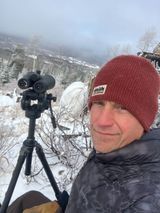
The rut has ebbed, and the bulls have retreated back to the thickets and cover to lick their wounds. Bull elk, especially the large herd bulls, expend a ton of energy during the rut. Chasing cows, fending off other bulls, bugling, to say nothing of the actual act, it really takes it out of them. Having spent time behind the spotting scope watching, I can understand why. While they may spend some time midday resting or cooling off in a wallow, a lot of the time they are on the move. I even watched a large herd bull leave his cows at 2:30 in the afternoon to trot over a mile down hill to water.
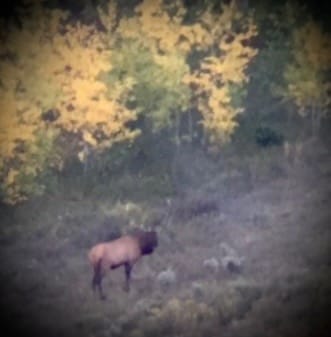
This season I spent most of my time glassing the herds on a large nearby ranch. They weren’t running cattle this year and despite the drought there was still good water. The open pastures made for incredibly exciting glassing. There were two herd bulls with their own separate groups of cows. They mostly kept separate, though there were occasional minor run-ins. There were several largish satellite bulls around the periphery of the herds. You could almost sense their frustration at not having access to the cows. They would spar and chase amongst themselves.
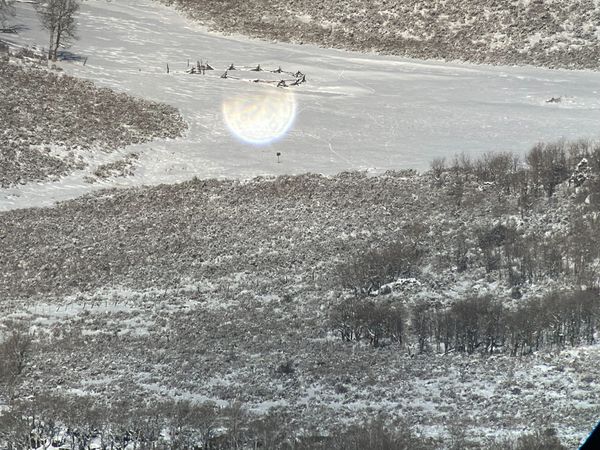
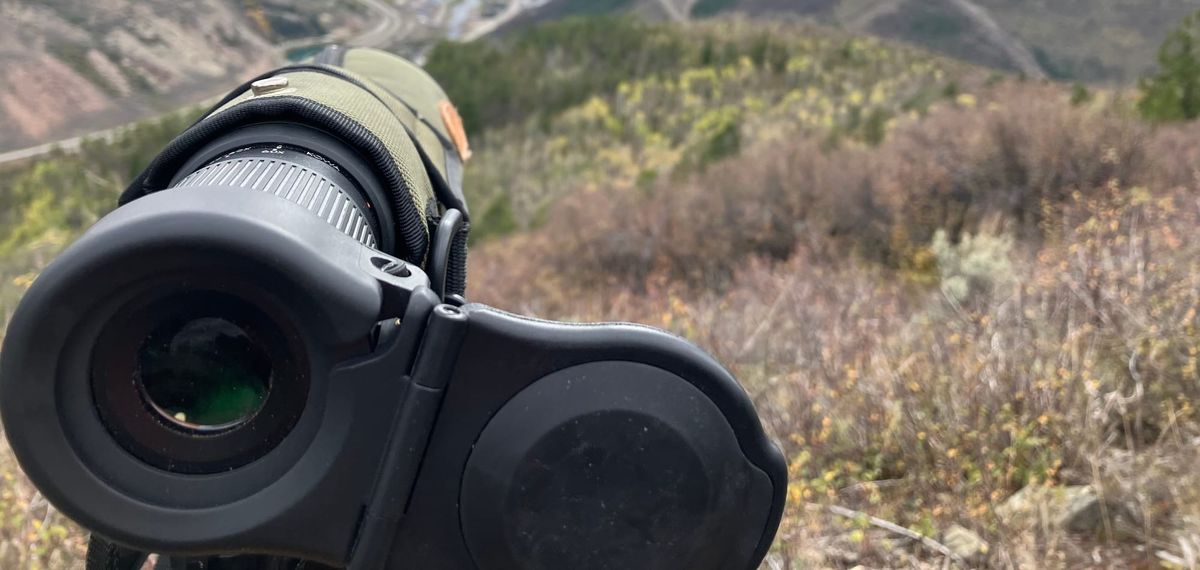
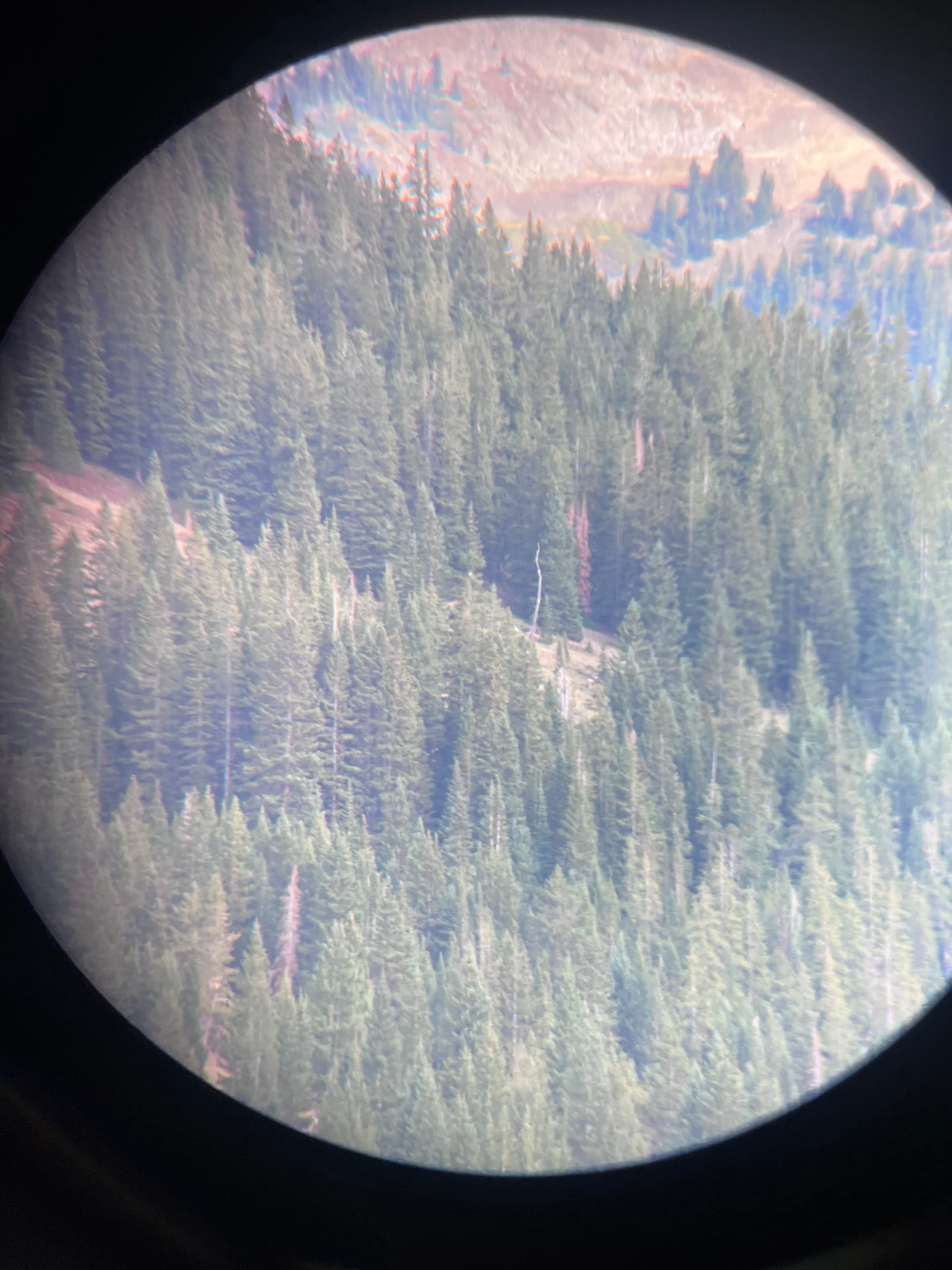
While I had an incredible time watching, I was getting a bit frustrated with my digiscoping. In the past I have just taken photos through the scope with my phone. This generated decidedly mixed results. Mostly blurry, dark shots which occasionally got the point across. I am trying to be better. I have started with the Magview s1 on my Kowa 883 spotting scope. The improvements over freehand were immediately apparent. Still, I struggled to get this system dialed in where I wanted. The focus for bare eyes didn’t match the focus for the camera. Mirage was much more noticeable in the photos and video. I know part of that is my technique, some was probably my antiquated phone, and the largest culprit was probably my impatience. I’m an excitable chap at the best of times, and where there are elk bugling and chasing, the last thing I want to do is fart around with my phone. I’ll do some more research and lock down my systems. In the meantime I hope you enjoy the slightly blurry videos of the rut.
What We're Seeing
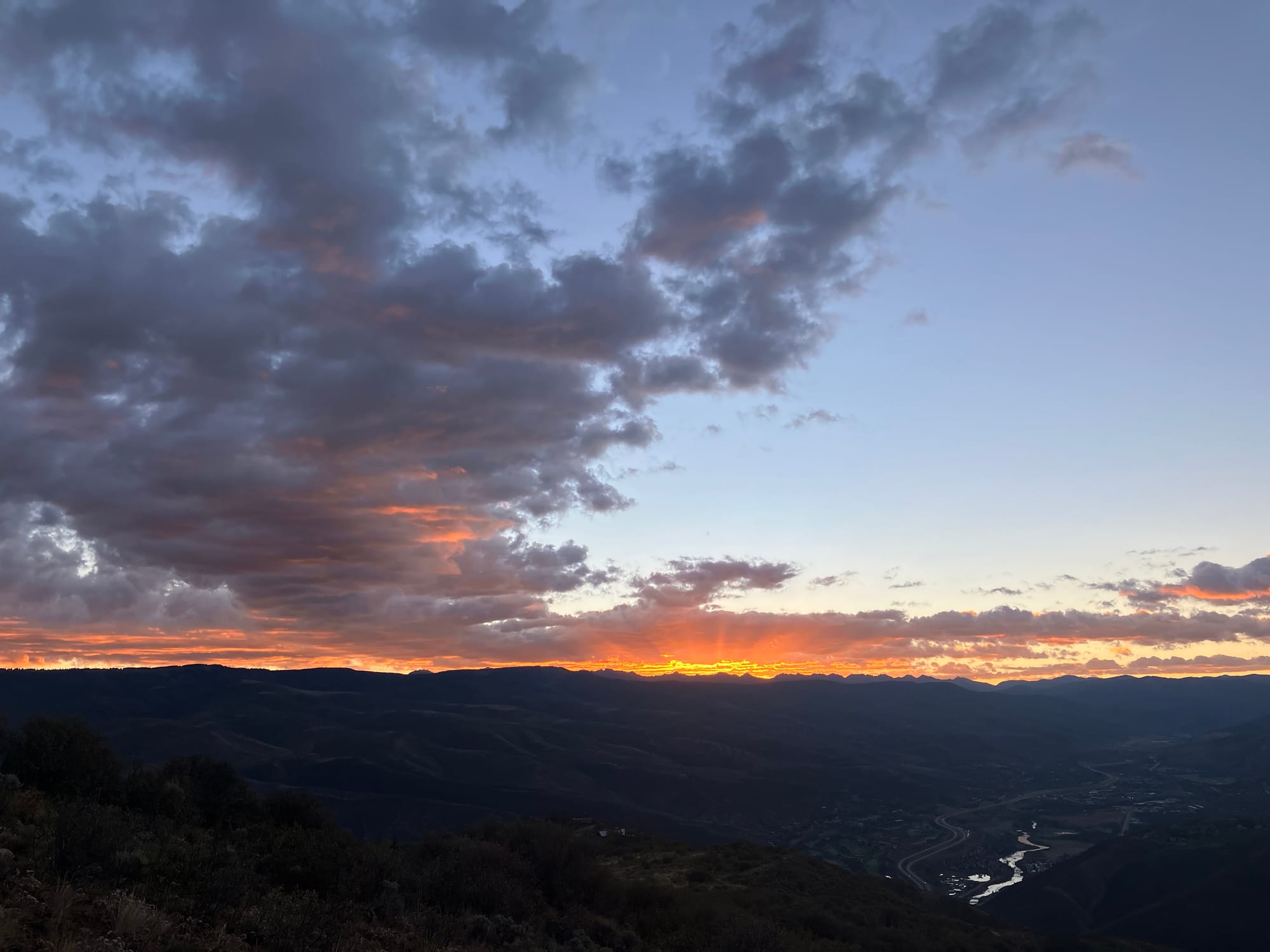
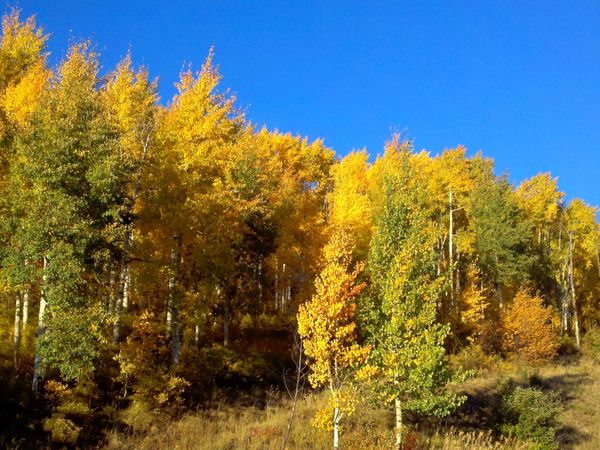
September Sky
7700 feet
Naked Eye - No Glass Needed
Mule Deer
11,500 feet
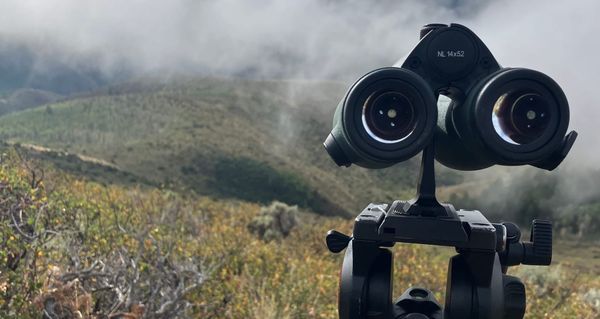
Vortex Razor HD 10x42
What We're Reading
Featured Gear
Alaska Classic Max Gen L Binocular Harness Pack
The Alaska Classic Max Gen L is the original binocular harness chest pack which was designed 50 years ago by Jaret while guiding in Alaska, and still the gold standard. It fits full-size binos up to 50mm and comes loaded with additional compartments for everything else you need on a glassing adventure.