How to Glass for Elk in Late October
The elk were right where I would expect them to be, in the high alpine terrain.

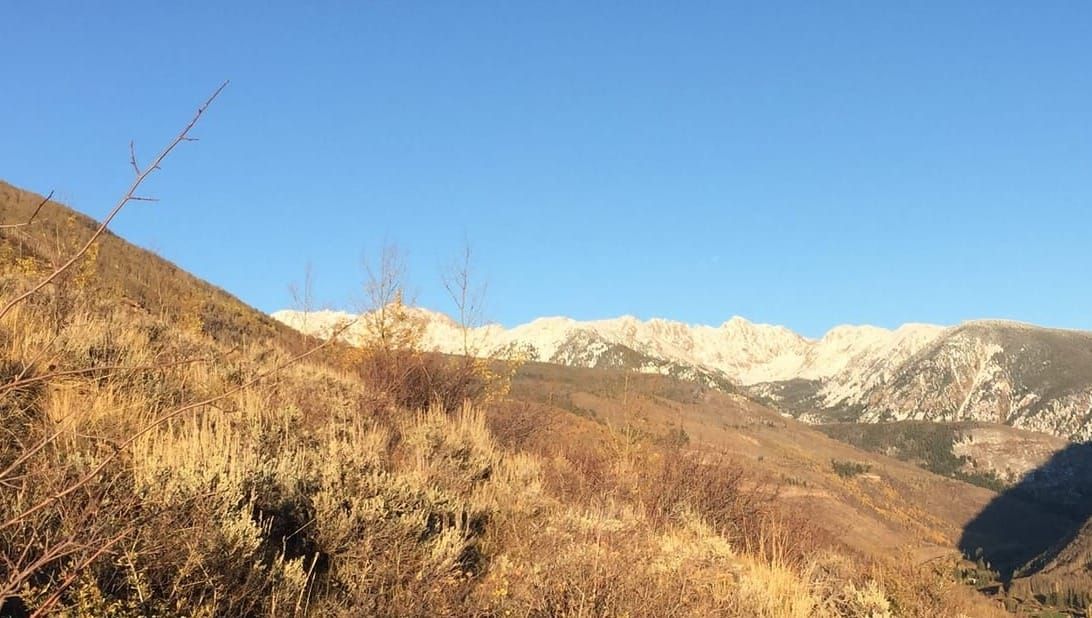
This is the time of year that I always used to get frustrated trying to find elk in the mountains. Picking the right place to set up and observe is hard if you can’t predict where the animals will be. And the thing about late October in the mountains, is that conditions are always changing.
Last weekend, I was at 11,000 feet and glassed up a herd. It was about 7:30am when I first found them and the temps were in the mid 20's with temperatures expected to top out in the high 50's that day. The elk were right where I would expect them to be, in the high alpine terrain.
But today, weather is coming in. Will they still be in that type of terrain when I get back out later this week? That's the question that used to cause me frustration. If it rains, they probably will be. If it snows, they may not be but, it depends on how much snow. And snow depth can vary widely from one elevation to the next and even from one area to the next. So where will I find them this weekend?
Although the guessing used to frustrate me, I now see it as part of the challenge. I may go out and spend hours seeing nothing or I may glass up a massive herd of elk. Here's how I think through the mystery to increase my chances of encounters.
What's the Weather
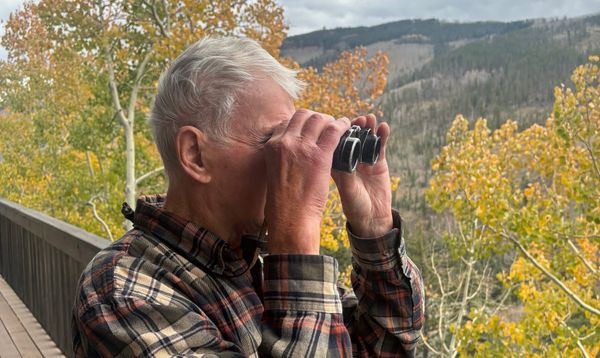
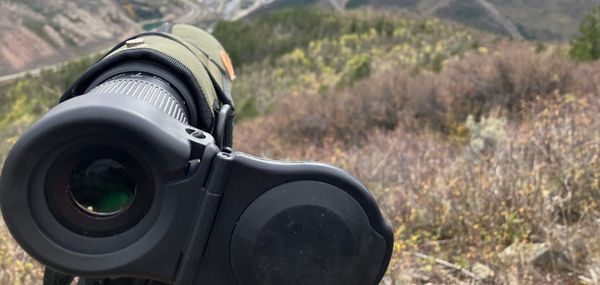
What has the weather been doing? Has it changed from the last time I found the elk? If not I keep things consistent. If it has changed, I need to evaluate. Did snow come in and how much? At some point, deep snow will push elk out of the high country. They will travel to lower areas where they can conserve energy and find food. Glassing from afar you don't necessarily have to be in the area where the elk are. You can glass up from lower elevations and not have to trudge through the snow. I try to find vantage points where you can look over different elevations. By looking above tree line I can sometimes assess how much snow has fallen. I can also find tracks through the optics and use those to determine where animals are moving.
Pressure from People
If the leaves are still changing and people are trying to get that last hike in, that pressure will impact animals' movement. Hunting pressure is also a big factor. Is there a hunting season going on? This can change from week to week and from place to place depending on where hunting is allowed. Open space that doesn't allow hunting like private ranches, golf courses, or land trusts will often hold more animals than BLM or National Forest.
The Rut
Where are we at in the rut? Late October is generally well past the rut but last weekend I heard around 20 bugles. Hearing a bugle doesn't mean we're still in the rut but hearing a lot of bugles in mid octaber lets us know that it still may be happening a bit. On the other hand, if we're well into post rut, the cows and smaller bulls will be together and the bigger bulls will be very hard to find but really cool if you are able to figure out where they are.
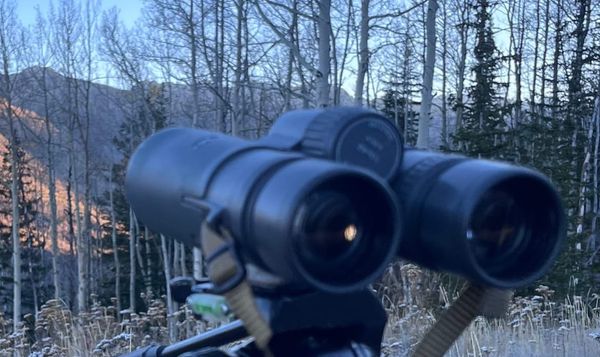
Glassing the ever-changing conditions of late October can be frustrating. But if you look at it the other way, it can be a challenging and rewarding experience. Be prepared to spend a morning or evening seeing nothing. But figuring out where they are, can be pretty exciting. Write it down. Keep a journal with date and conditions so you can really start to understand the elk and their movements. Regardless of whether you see anything, being out behind the glass is always better than not.