Finding Mule Deer Throughout the Year

Learning about deer habits and habitats through the year will help you find and watch deer all year long. The more you can learn the more deer you will see and the more fun you will have. Mapping software and apps like onX and GoHunt have layers with winter range, migratory routes, and yearlong habitat. You can also find the information through the local parks and wildlife offices. Emailing or calling wildlife rangers can also be a great resource.
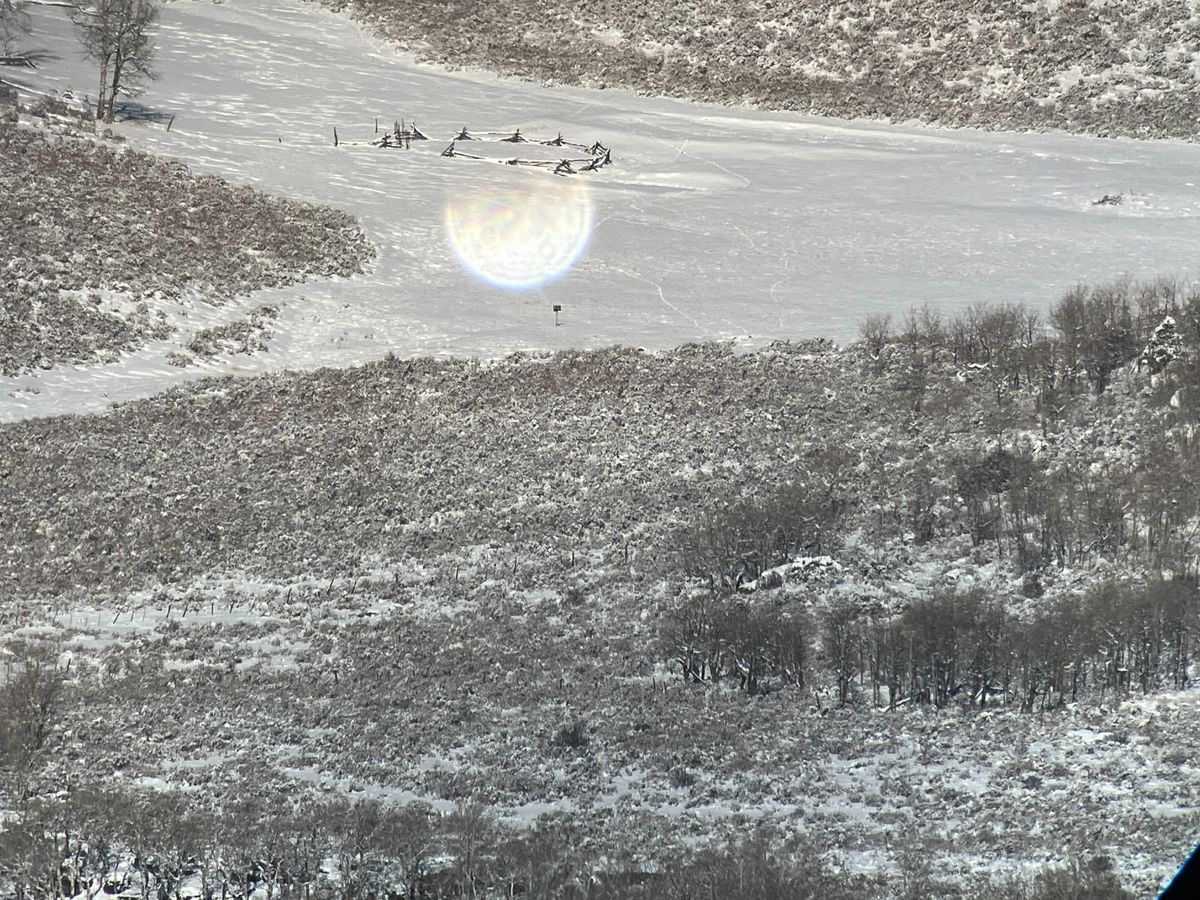
Winter: The first large snow in the fall or early winter will begin to force the deer to migrate to their winter range. Again, look at mapping software and use the local resources to find winter range. This is generally lower elevation and south-facing terrain, where the deer can still find food and water. Look for sagebrush flats with rolling gullies that offer shelter. Bucks will shed their antlers in February and early March. So if you enjoy finding and watching bucks, late winter can be a disappointment.
Spring: As the snow begins to melt, deer will follow the thaw, eating on the new growth. Bucks will begin growing antlers almost as soon as they shed but still won't be impressive until early summer. Deer will again follow the migratory routes in reverse to climb back to their summer ranges.
Summer: Summer can be a great time to watch deer. Bucks especially can make for spectacular viewing. During this time, they will have reddish coats, making them easier to find. They will hang out near and above tree line to avoid the biting flies. Flies are attracted to the blood and velvet of the growing antlers. Finding a group of bucks in the high alpine with early morning light glowing on velvet antlers is not to be missed.
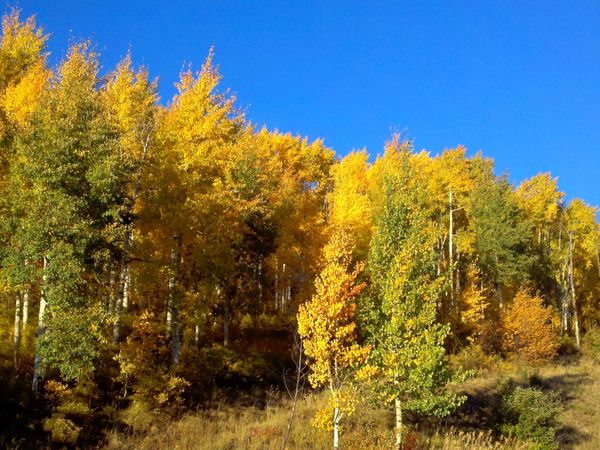
Fall: Hunting season in most western states starts in September. Generally archery hunters have most of September with rifle hunters starting later. If you do choose to watch deer this time of year it is advisable to wear high visibility clothing, hot pink and blaze orange. During the early fall, bucks will tend to hole up in dark timber, where they conserve their energy for the coming rut. Once the rut begins, it is game on. This can be the most exciting time to deer watch. Big wary bucks who hide the year round will lose their minds and begin chasing does. From one good vantage point it is often possible to watch several large bucks chasing does and even sparring.
Tips for finding deer:
- Look for their distinctive white butts.
- With snow look for tracks. With good optics it's often possible to track animals.
- When you find one deer watch them. Deer will often look towards other deer you haven’t seen yet.
- Look for silhouettes under shade trees and brush.
- Early morning and late evening are often best.
- Deer will offer shift position late morning or mid afternoon when the sun begins to hit them in their beds.